
Ever noticed how your stomach reacts when you’re stressed, that fluttery feeling before a big presentation or a tight gut when you’re worried? You’re not alone.
In fact, research suggests that around 90-95% of the body’s serotonin (a key neurotransmitter for mood) is made in the gut, and emerging studies show that alterations in gut bacteria are linked with conditions like anxiety and depression in population samples. Scientists now understand that gut health and emotional well-being are deeply connected.
In this article, we explore how your digestive system communicates with your brain, what the latest research says about this fascinating connection, and how simple diet and lifestyle habits may support both your gut and your mood.
The Gut–Brain Axis: Your Body’s Hidden Conversation
Your gut and brain talk to each other all the time through what’s known as the gut–brain axis. This two-way communication network links your digestive tract, nervous system, and even your immune system.
Interestingly, about 95% of the body’s serotonin, a neurotransmitter that helps regulate mood, appetite, and sleep, is produced in the gut, not the brain (Harvard Health). This helps explain why a healthy gut may play a role in how you feel mentally and emotionally.
When the gut is balanced, it sends calm, healthy signals to the brain. But when there’s inflammation or imbalance (a state known as dysbiosis), it may influence how your brain processes stress and mood.
How Diet Shapes Gut Health and Mood
Add Your Heading Text Here
What you eat directly affects the trillions of bacteria, collectively called the microbiome, living in your gut. These bacteria help break down food, protect against infection, and communicate with the brain.
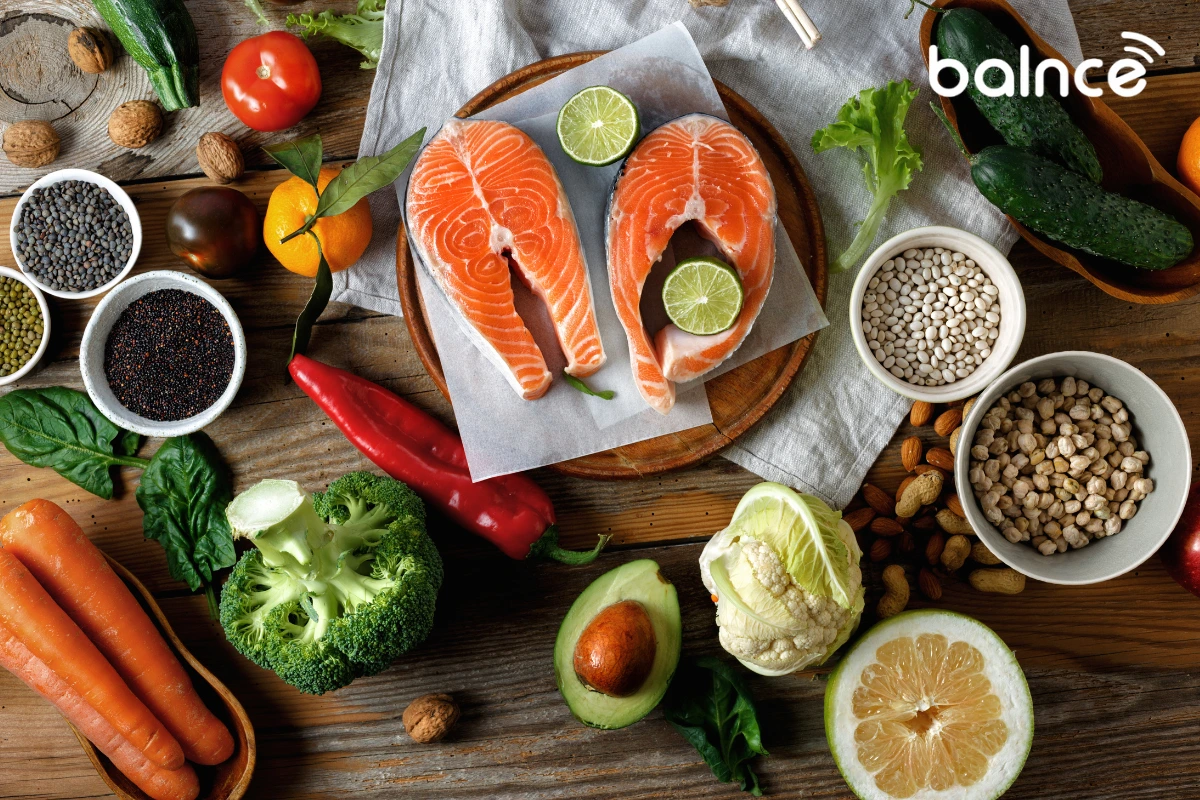
Research suggests that diets rich in whole foods, like vegetables, fruits, legumes, and whole grains, may support a healthier gut environment and a more stable mood. On the other hand, ultra-processed foods high in sugar, additives, and saturated fats are linked with inflammation and poorer gut diversity.
Here are a few ways to nurture your microbiome through diet:
Eat more plants: Fibre from whole foods feeds beneficial bacteria.
Reduce processed foods: Limiting ultra-processed snacks and drinks may help minimise gut inflammation.
Stay hydrated: Water supports digestion and nutrient absorption.
Include fermented foods: Yoghurt, kefir, kimchi, and sauerkraut naturally contain probiotics that may support gut balance.
The Role of the Microbiome in Emotional Well-being
The gut microbiome is incredibly complex and no two people’s are the same. When this internal ecosystem is diverse and balanced, it helps regulate digestion, immune responses, and the production of important neurotransmitters that affect mood.
Emerging research has found that certain patterns of gut bacteria are associated with emotional regulation, while imbalance or low microbial diversity may be linked to feelings of stress or low mood.
It’s important to note that these findings show association, not causation. Scientists are still uncovering how these tiny microbes influence mental health, but the evidence suggests that maintaining a healthy gut may contribute to overall emotional balance.
Probiotics, Prebiotics and Postbiotics: Supporting Gut Balance
You’ve probably heard about probiotics and prebiotics, but how do they actually help?
Probiotics are live, beneficial bacteria found in some foods and supplements. They may help restore microbial balance in the gut.
Prebiotics are the dietary fibres that feed those good bacteria, found in foods like onions, garlic, bananas, and oats.
Postbiotics are the beneficial compounds produced by gut bacteria after digesting fibre; these by-products can support the gut lining and immune health.
Early studies suggest that probiotics and prebiotics may support digestive and emotional well-being, though more research is needed. The key is consistency; regularly eating fibre-rich foods and fermented products helps create an environment where good bacteria thrive.
Lifestyle Habits That Support Gut and Mind
A happy gut isn’t just about food. Daily habits also play a major role in maintaining balance.
Manage stress: High stress can disrupt gut function. Mindfulness, yoga, or gentle exercise may help calm both the mind and the gut.
Get enough sleep: Consistent, quality sleep supports healthy digestion and hormone regulation.
Stay active: Regular movement encourages a more diverse microbiome and better mood.
Eat mindfully: Slow down when eating and chew thoroughly; your gut will thank you.
Together, these habits promote both physical and emotional well-being, reinforcing the brain–gut connection.
The Bottom Line
Your gut does much more than digest food; it’s part of a finely tuned system that may influence your mood, stress levels, and emotional health. By nourishing your gut with balanced nutrition, whole foods, and mindful habits, you can support a healthier, calmer you.
If you’re curious about integrative approaches to everyday wellbeing, you can learn more about Balnce’s telehealth consultations.
Disclaimer
This article is intended for general educational purposes only and does not constitute medical advice. It’s not intended to diagnose, treat, cure, or prevent any disease or medical condition. If you have concerns about your memory, thinking, sleep, alcohol use, or overall health, please consult your GP or another qualified healthcare professional for personalised advice.