
Worried your heart may not be as strong as it should be? Building good habits early can help you feel more in control. Heart disease remains a leading cause of death in Australia, but many risk factors respond well to simple daily changes.
This Heart Week, explore practical strategies to strengthen your heart. For example, improving your diet, staying active, sleeping well, and managing stress. You’ll also find general wellbeing tips and information about how Balnce’s telehealth services can support your health journey.
Eat Well: A Heart-Healthy Diet & Weight Management
Eat a balanced diet to support your general health. Start by focusing on whole, nutrient-rich foods.
Fill your plate with vegetables, fruits, whole grains, and lean proteins. These foods provide fibre and antioxidants as part of an overall healthy eating pattern.
Include healthy fats like olive oil, avocado, nuts, and oily fish, while reducing salt, added sugar, and unhealthy fats. For example, use herbs instead of salt and choose low-sodium options.
Cooking meals at home can help you avoid processed snacks. Aim to fill half your plate with vegetables and fruits, choosing colourful produce to maximise nutrients. This approach helps you get fibre, vitamins, and minerals as part of a balanced diet.
Choose whole grains and lean proteins where you can. For example, swap white bread and pasta for wholegrain versions, and opt for chicken, fish, beans, or lentils. These foods can help keep you full longer and support healthy weight management.
Try to limit salt, sugar, and unhealthy fats. Avoid high-salt foods like canned soup and chips, cut back on sugary drinks, and minimise saturated and trans fats from fried foods and fatty meats.
Maintaining a healthy weight is also worth prioritising. Even a modest weight change of 3–5% can support general health markers. Combined with regular exercise, a healthy diet is a foundation for long-term wellbeing.
Move More: Exercise for Cardiovascular Health
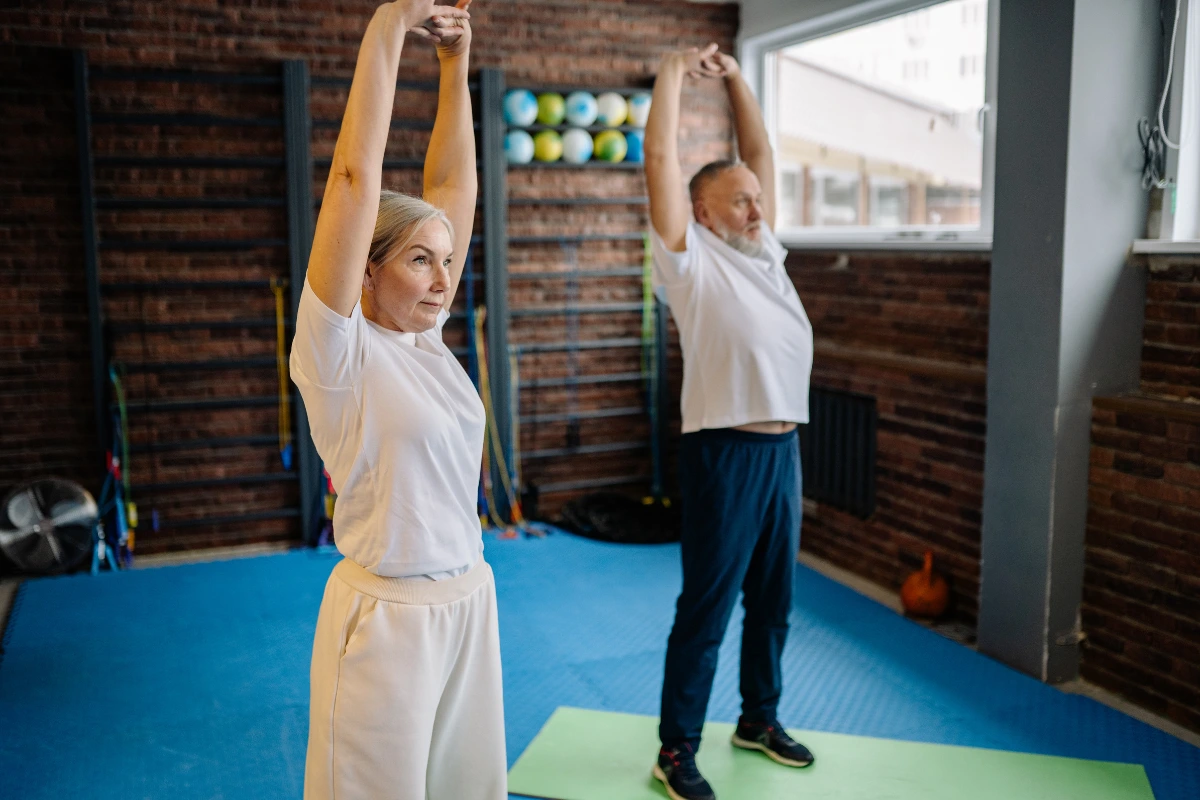
Physical activity plays an important role in overall wellbeing. The Australian Government Department of Health and Aged Care guidelines recommend aiming for 150 minutes of moderate activity weekly (for example, brisk walking, cycling, or swimming), or 75 minutes of vigorous activity, plus strength training at least twice weekly.
You don’t need to train for a marathon; focus on consistency and choose activities you enjoy.
- Aim for 30 minutes daily. Break it into shorter 10–15 minute sessions if needed. Every bit of movement adds up: taking the stairs, gardening, or walking the dog all help.
- Do what you enjoy. Dancing, hiking, or active video games (“exergaming”) can make exercise fun and sustainable.
- Get social. Exercise with friends, family, or pets to stay motivated.
Regular movement supports general cardiovascular fitness, healthy weight, and mood over time. Even short activity sessions can be worthwhile, so focus on staying consistent rather than doing long workouts.
Quit Smoking and Limit Alcohol
Smoking is a major risk factor for poor health, and quitting is one of the most effective steps you can take. Avoiding secondhand smoke is worthwhile too.
Keeping alcohol intake moderate is also important, as excessive drinking is associated with increased health risks. If you drink, consider sticking to Australian guidelines on recommended limits.
If you need support to quit smoking or cut back on alcohol, speak with your doctor or contact Quitline for a personalised plan.
Manage Stress and Sleep Well
Ongoing stress can affect general wellbeing, so finding healthy ways to cope is worthwhile. Daily practices that may help include:
- Practising relaxation. Try mindfulness, deep breathing, or meditation for a few minutes each day. Techniques like slow, paced breathing may help you feel calmer.
- Staying connected. Chat with friends, family, or support groups — social connection is good for general wellbeing.
- Using gentle movement. Activities like yoga, tai chi, or a nature walk combine movement with relaxation.
Good sleep also supports general health. Most adults need 7–8 hours nightly, and consistently getting less has been associated with a range of health risks. Try to keep a consistent sleep schedule, go to bed and wake at the same time daily, and keep your bedroom dark and quiet.
If you suspect you may have sleep apnoea, speak with a health professional. Treatments such as CPAP may be recommended.
Prioritising rest and stress relief can support your overall wellbeing alongside other healthy habits, such as exercise, relaxation practices, and a balanced diet.
Regular Check-Ups and Monitoring
Keeping track of key health markers supports proactive care. Regular health screenings can help detect issues early. For example, have your blood pressure checked regularly and monitor cholesterol, particularly if you have a family history of early heart disease.
General guidance suggests adults have their cholesterol checked periodically, with diabetes screening typically starting around age 40–45 depending on individual risk factors, though your doctor may recommend starting earlier if you have other risk factors. Always follow the specific testing schedule recommended by your own healthcare provider.
Routine GP visits are a good opportunity for a broader health check, including blood pressure, cholesterol, and blood sugar. Your doctor can recommend preventive strategies suited to you. Regular dental check-ups and staying up to date with recommended vaccinations are also part of general preventive care. Speak with your doctor about what’s appropriate for you.
Tracking your own numbers over time can help you and your healthcare provider make informed decisions together.
Balnce’s practitioners can support general health monitoring and help you build a personalised wellbeing plan alongside your regular GP care.
Holistic Support: Balnce Telehealth & Integrative Care
Beyond diet and exercise, some people choose to explore complementary approaches as part of a broader wellness routine, always alongside, not instead of, advice from a qualified health professional.
For example, nutrients such as omega-3s, CoQ10, magnesium, and potassium are naturally found in food and are sometimes taken as supplements. Herbs such as garlic, hawthorn, and turmeric have a history of traditional use in some wellness practices. Practices such as acupuncture and massage are used by some people as part of general relaxation and self-care.
Always talk to a qualified practitioner before starting any supplement or herbal product. Particularly if you take prescription medication, including heart medication, as some supplements and herbs can interact with medicines or aren’t suitable for everyone. This information is general in nature and is not a recommendation for any specific product.
The Balnce integrative telehealth platform brings together conventional and complementary care. Our GPs, naturopaths, and allied health providers can work with you to build a personalised wellbeing plan, which may include nutrition advice, exercise coaching, stress management, guided meditation, breathwork, and gentle yoga, delivered through telehealth. Balnce can also help connect you with cardiac rehabilitation services where clinically appropriate.
Cardiac rehabilitation programs typically combine medical care, counselling, nutrition education, and support groups, offering well-rounded support for people recovering from or living with heart conditions, under the guidance of qualified health professionals.
Small, consistent lifestyle steps, alongside any treatment your doctor recommends, can support your overall wellbeing over time.
Balnce’s integrative telehealth consultations connect you with practitioners across medical and complementary care, who can work with you to understand your individual circumstances and goals.
Schedule a consultation to talk with a Balnce practitioner about your general health and wellbeing.
Disclaimer
This article is intended for general educational purposes only and does not constitute medical advice. It’s not intended to diagnose, treat, cure, or prevent any disease or medical condition. If you have concerns about your memory, thinking, sleep, alcohol use, or overall health, please consult your GP or another qualified healthcare professional for personalised advice.